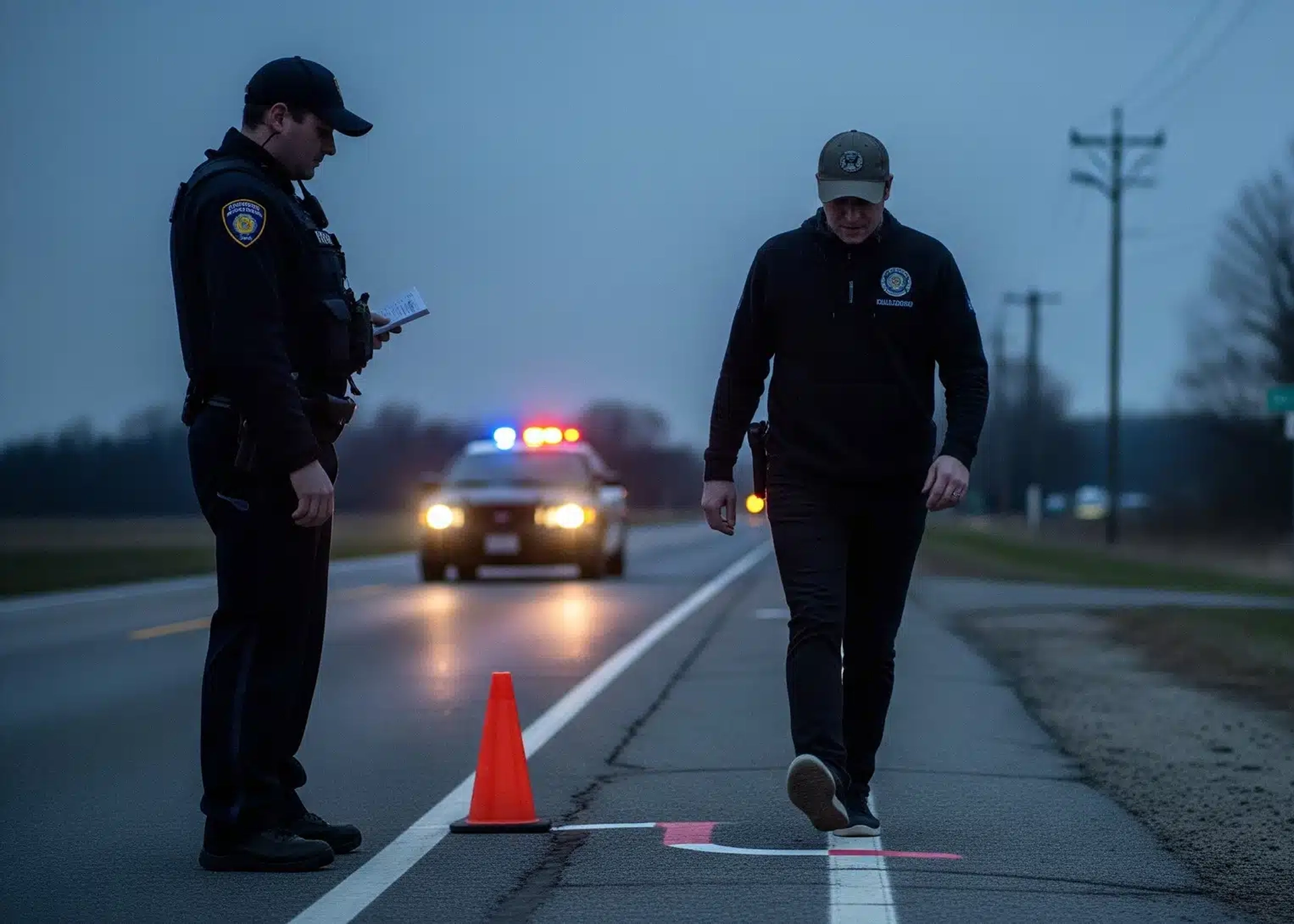
Few moments during a DWI stop feel as high-pressure as being asked to step out of the car and perform a field sobriety test on the side of the road. Most drivers have no idea what these tests are actually measuring, or whether they even have to take them. The answer is more nuanced than most people expect.
What the Standardized Tests Actually Are
The National Highway Traffic Safety Administration has validated three standardized field sobriety tests: the horizontal gaze nystagmus test, which tracks involuntary eye movement; the walk-and-turn test; and the one-leg stand test. Officers are trained to administer these in a specific, standardized way, and any deviation from that protocol can affect the reliability of the results. Many officers also use additional, non-standardized tests that have no scientifically validated accuracy at all, such as reciting the alphabet or counting backward.
Can You Legally Refuse?
In Texas, field sobriety tests are voluntary. There is no license suspension penalty for declining to perform them, which is different from the rule for breath and blood tests under the state's implied consent law. That said, refusing does not make the stop disappear. An officer who already suspects intoxication will typically arrest the driver regardless, and the refusal itself sometimes gets mentioned by the prosecution at trial as circumstantial evidence, even though Texas law does not require anyone to perform these tests.
Why the Tests Are Less Reliable Than They Sound
Field sobriety tests are designed to be performed on flat, dry, well-lit ground by someone in good physical condition with no relevant medical conditions. In practice, they are frequently administered on uneven shoulders, at night, in poor weather, and on drivers who may have inner ear conditions, joint problems, or nervousness that has nothing to do with alcohol. That gap between perceived accuracy and actual accuracy is one of the most common places a DWI defense attorney can challenge the state's case.
What This Means If You Already Took the Tests
If you already performed field sobriety tests before an arrest, that is not the end of the analysis. A defense attorney can review body camera or dash camera footage, examine whether the officer followed the standardized administration protocol, and evaluate whether outside factors, such as road conditions or a preexisting medical issue, might explain the officer's observations.
Stopped for DWI in San Antonio?
Whether you performed field sobriety tests, refused them, or are not sure what happened during the stop, the details matter. Learn more about how Jim Wheat approaches DWI defense in San Antonio, including what happens after a first-time DWI arrest, or schedule a free consultation by calling (210) 224-9300.