San Antonio Federal Criminal Defense Attorney
Federal investigations often begin months or years before an arrest is made. By the time federal agents appear, prosecutors have already built their case. The federal conviction rate nationally is above 97%. Facing a federal charge without an attorney who understands the Western District of Texas is one of the most consequential decisions a person can make.

Federal charges are investigated by agencies including the FBI, DEA, IRS Criminal Investigation, Homeland Security Investigations, and ATF. By the time an arrest occurs, federal agents have typically spent months or years gathering evidence, working informants, and building a case before presenting it to a grand jury. In the Western District of Texas, more than 4,100 federal criminal cases were filed in a recent year, with a conviction rate of approximately 97.8%. The outcomes within that number vary widely: nearly 19% of convictions resulted in probation only, and the average sentence in the San Antonio Division was 41 months, below the national average of 47 months. Skilled, aggressive defense counsel can change what a federal case looks like on the other side.
Federal sentencing follows strict guidelines and judges have limited discretion. Sentences in federal court are often substantially longer than state court for comparable conduct. There is no parole in the federal system. Anyone sentenced to federal prison serves at least 85% of that sentence.
Federal charges Jim handles at the Western District of Texas include: drug trafficking and conspiracy, including border-related offenses along the I-35 corridor, federal firearms violations, white collar crimes and fraud, money laundering, immigration offenses, federal tax crimes, computer crimes, and RICO conspiracy.
San Antonio sits roughly 150 miles from the Mexican border, which means cross-border activity involving drugs, weapons, money, or people tends to land in federal court rather than state court. The I-35 corridor running from Laredo through San Antonio is one of the most heavily monitored trafficking routes in the country, and the U.S. Attorney's office for the Western District has made fentanyl trafficking, healthcare fraud involving military benefits, and PPP loan fraud prosecution priorities. Federal cases here are heard at the United States Federal Courthouse at 655 E. Cesar E. Chavez Blvd, where your initial appearance will be before a U.S. Magistrate Judge.
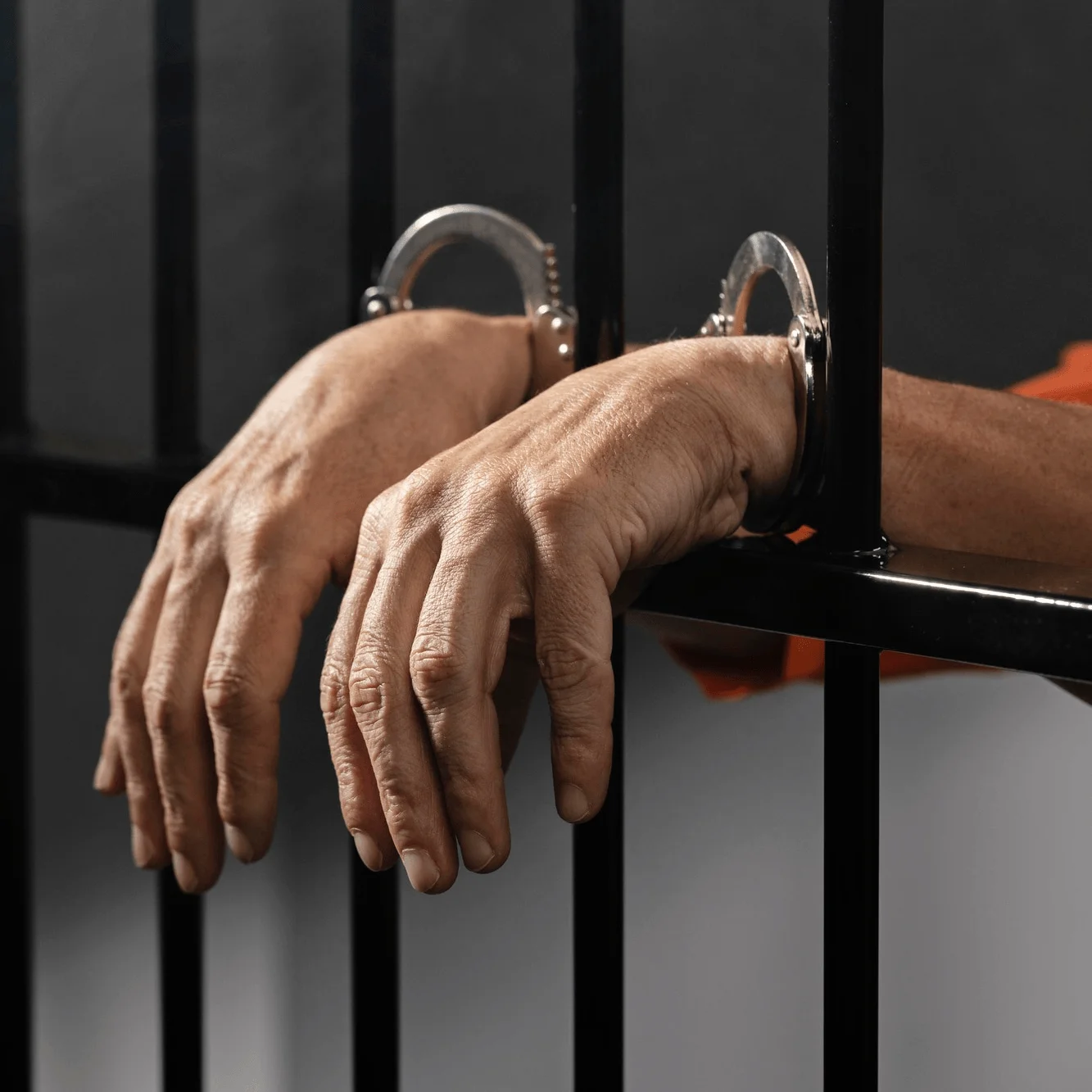

Jim has handled federal criminal cases in the Western District of Texas alongside his state criminal practice. Federal defense requires understanding sentencing guidelines, grand jury procedure, and how to negotiate with U.S. Attorneys who operate under different pressures and incentives than state prosecutors.
If you know you are under federal investigation, early intervention is critical. Jim can engage with federal prosecutors before an indictment is returned, sometimes preventing charges from being filed or limiting their scope.
Federal investigations frequently involve wiretaps, surveillance, confidential informants, and search warrants. Jim evaluates every aspect of the investigation for constitutional violations that can suppress evidence and weaken the government's case.
Federal sentences are calculated using a complex guidelines system. Jim challenges offense level enhancements, argues for downward departures, and presents mitigating factors that can meaningfully reduce the sentence a court imposes.
Federal prosecutors frequently offer cooperation agreements. Jim advises clients on whether cooperation serves their interests, what it actually requires, and what risks it carries before any decision is made.
Federal procedure is more structured and moves on a different timeline than state court. Understanding each stage helps you act strategically before options close.
1
Federal cases often begin long before an arrest. Agents gather evidence, work informants, and present findings to federal prosecutors. If you believe you are under investigation, contact Jim before any contact with federal agents or investigators.
2
A federal grand jury reviews the government's evidence and decides whether probable cause exists to indict. Jim can, in some cases, present information to the grand jury through prosecutors before indictment to contest or limit the charges.
3
After indictment, you are formally charged and enter a plea. Jim reviews the full government case through discovery, identifies weaknesses, and begins filing pretrial motions to suppress evidence and challenge the government's legal theories.
4
Federal cases resolve through plea agreements in the majority of instances. Jim evaluates every plea offer against the trial risk given the specific facts and sentencing exposure, and advises you on which path serves your interests.
Federal defense requires a practitioner who understands how federal prosecutors build cases and how federal judges apply sentencing guidelines. Jim has worked on both sides of federal court.Read more about Jim's background as a former judge and prosecutor.
Fewer than 1% of Texas attorneys hold this credential. It requires demonstrated experience, peer review, and a rigorous written examination by the Texas Board of Legal Specialization.
Jim's experience as a Bexar County prosecutor gives him direct insight into how federal cases are constructed and where they can be challenged. He understands what prosecutors prioritize and where cases are vulnerable.
Serving as a judge gave Jim direct insight into how courts weigh motions, evaluate credibility, and respond to defense arguments. In federal court, where judges have meaningful discretion in sentencing, this perspective matters.
You will not be handed off to a junior associate or paralegal. When you hire Jim Wheat, Jim Wheat is in the courtroom, at the hearing, and on the phone when you call.
Jim handles both federal and state criminal cases. Many clients face related proceedings in both courts. He coordinates defense strategy across both to protect your interests at every level.
Federal cases in San Antonio are prosecuted in the Western District of Texas. Jim has practiced in this court and understands its procedures, its judges, and the approach of the U.S. Attorney's office.
★★★★★
Jim handled my federal case from investigation through sentencing. He knew the Western District inside and out, challenged evidence the government was counting on, and got my sentence substantially below the guidelines. I trusted him completely.
David K., San Antonio
Answers to what most people want to know before calling. If you don't see your question here, call — consultations are free.
(210) 224-9300
Do not speak to federal agents without an attorney present. Federal investigators are highly trained and anything you say can be used against you. Call Jim Wheat before any contact with the FBI, DEA, IRS Criminal Investigation, or any other federal law enforcement agency. (210) 224-9300.
Federal charges are prosecuted by the U.S. Attorney's office under federal law. They typically involve conduct that crosses state lines or involves federal agencies. Federal sentences are often substantially longer than state sentences for comparable conduct, and defendants serve at least 85% of whatever sentence is imposed.
Facing state charges instead? See Jim's state criminal defense approach.Yes. Federal cases can be challenged at the indictment stage, through pretrial motions to suppress evidence, and through challenges to the government's legal theories. Jim evaluates every case for viable dismissal or suppression arguments before any other decision is made.
That depends entirely on the specific facts of your case and what the government is offering. Cooperation can reduce a sentence significantly, but it carries serious risks and obligations. Jim advises every client individually on whether cooperation serves their best interest before any decision is made.
Yes. Jim handles federal criminal cases in the Western District of Texas alongside his state criminal practice. Federal defense requires different knowledge of sentencing guidelines, grand jury procedure, and U.S. Attorney negotiating patterns. Jim is equipped to handle it.
Federal sentences are calculated using the U.S. Sentencing Guidelines, which assign offense levels based on conduct and criminal history. Judges have limited but real discretion to depart from those guidelines. There is no parole in the federal system. Defendants serve at least 85% of their sentence.
When you contact Jim Wheat, here is exactly what happens:
1
Jim listens to what happened, asks about the investigation and charges, and finds out where things stand with the U.S. Attorney's office or federal agents.
2
Jim explains what you are facing, what the federal process looks like from this point forward, and which defense strategies apply to your specific situation.
3
You leave the conversation with a clear picture of your options. No obligation, no pressure, and no charge.