San Antonio DWI Defense Attorney
A DWI arrest in Texas triggers two separate legal proceedings. The criminal case is one. The Administrative License Revocation (ALR) hearing is the other, and you have only 15 days from the date of your arrest to request it. Miss that deadline and your license is suspended automatically. Jim Wheat handles both.

In Texas, a first DWI offense is a Class B misdemeanor carrying up to 180 days in jail, fines up to $2,000, and a license suspension of 90 days to 1 year. A second offense is a Class A misdemeanor carrying up to 1 year in jail, fines up to $4,000, license suspension up to 2 years, and a mandatory ignition interlock device. A third offense is a third-degree felony carrying 2 to 10 years in prison. Beyond the criminal penalties, the total financial impact of a first-offense DWI in Texas, including fines, mandatory surcharges of $3,000 to $6,000, legal fees, and increased insurance, typically ranges from $5,000 to $15,000.
A DWI conviction creates a permanent criminal record. It surfaces on background checks for employers, professional licensing boards, and apartment applications. Commercial driver's license holders face career-ending consequences from even a first conviction.
DWI charges Jim handles in Bexar County include: first DWI offense, second DWI offense, felony DWI (third or more), DWI with a child passenger, intoxication assault (a third-degree felony carrying 2 to 10 years for causing serious bodily injury while intoxicated), intoxication manslaughter, and cases involving breath or blood test refusal.
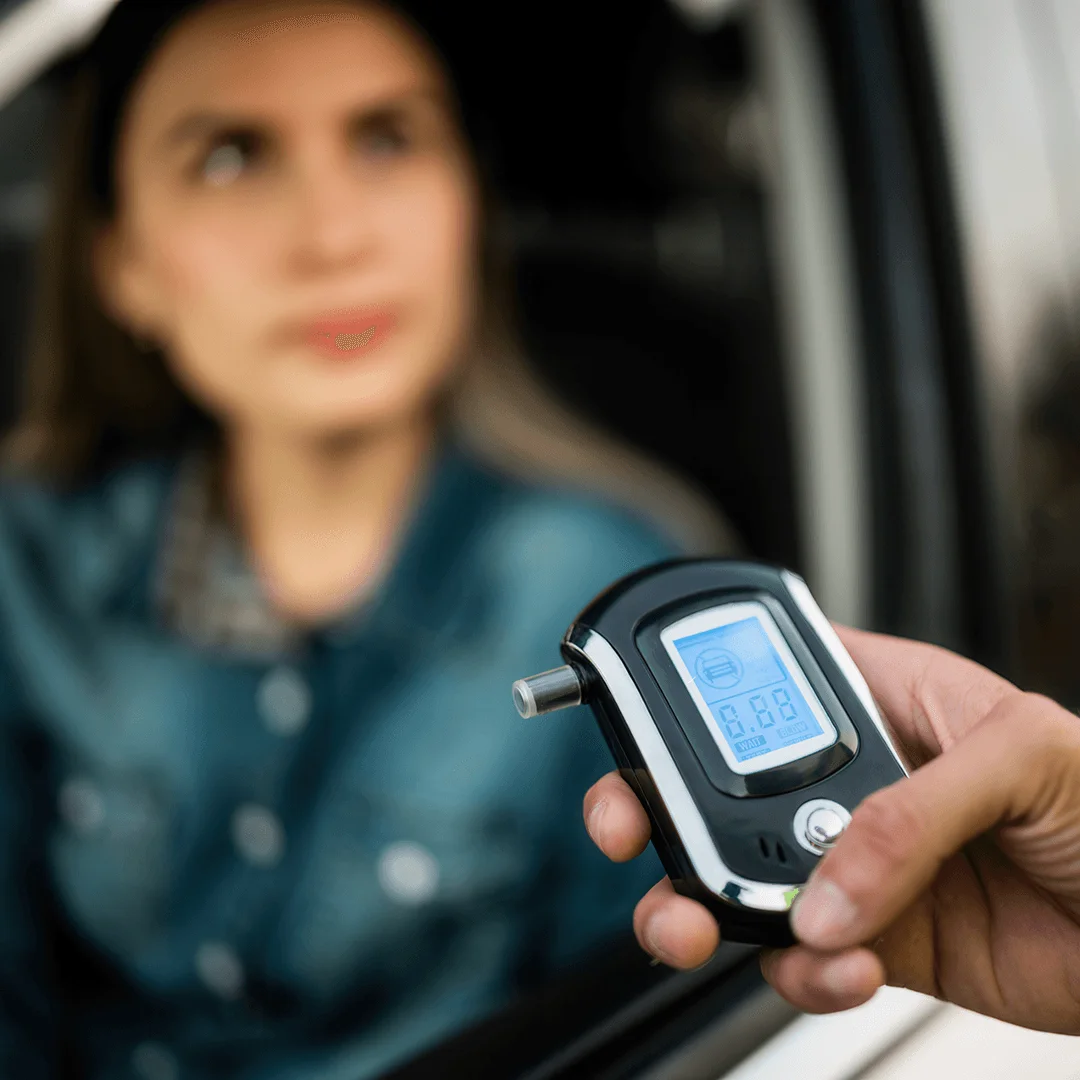

Most DWI cases turn on breath test results, field sobriety tests, and the officer's observations during the traffic stop. Each of these can be challenged. Jim evaluates every DWI case for the constitutional and evidentiary issues that determine whether the state's evidence holds up.
The entire DWI case begins with the traffic stop. If law enforcement lacked reasonable suspicion to pull you over, everything that followed may be suppressible. Jim evaluates the legality of the stop before anything else.
Breathalyzers require proper calibration and administration. Blood draws must follow strict chain of custody procedures. Jim challenges the reliability of test results and the procedures used to obtain them.
Field sobriety tests are subjective and affected by medical conditions, footwear, uneven surfaces, and weather. Jim challenges both the administration of these tests and the officer's interpretation of the results.
The ALR hearing is separate from the criminal case and operates on its own 15-day clock. Jim requests the hearing immediately and uses it to cross-examine the arresting officer under oath before the criminal case begins.
A DWI arrest sets two processes in motion simultaneously. Understanding both helps you act within the deadlines that matter.
1
Within 15 days of your arrest you must request an Administrative License Revocation hearing with the Texas DPS or your license will be automatically suspended. Jim requests this hearing immediately for every DWI client. It also creates a critical opportunity to cross-examine the arresting officer under oath before the criminal case proceeds.
2
You will be formally charged and enter a plea. Jim reviews all evidence including dashcam and bodycam footage, officer reports, breath or blood test records, and calibration logs. Pretrial motions are filed to challenge any unconstitutionally obtained evidence.
3
Many DWI cases are resolved before trial. Jim evaluates every offer against the evidence. Where the state's case is weak, dismissal or reduction is the goal. Where it is not, Jim prepares for a jury.
4
DWI trials turn on witness credibility, the reliability of test evidence, and the legality of the stop. Jim has tried DWI cases before Bexar County juries for more than 30 years and prepares every case for trial from day one.
Jim Wheat spent years as a Bexar County prosecutor handling DWI cases before switching to defense. He understands the state's playbook, the weaknesses in breath and blood test evidence, and how to challenge the officer testimony that DWI cases depend on.Read more about Jim's background as a former judge and prosecutor.
Fewer than 1% of Texas attorneys hold this credential. It requires demonstrated experience, peer review, and a rigorous written examination by the Texas Board of Legal Specialization.
Jim spent years prosecuting DWI cases in Bexar County before switching to the defense. He knows what the DA looks for when evaluating a case, where the evidence is strongest, and where it can be challenged.
As a judge, Jim evaluated DWI evidence and motions from the bench. He understands how judges weigh the reliability of breath tests, the credibility of officers, and the admissibility of field sobriety results.
You will not be handed off to a junior associate or paralegal. When you hire Jim Wheat, Jim Wheat is in the courtroom, at the hearing, and on the phone when you call.
A DWI arrest triggers two proceedings. Jim handles both simultaneously, coordinating strategy across the ALR hearing and the criminal case to protect your license and fight the charges.
Jim has handled DWI cases in San Antonio courts for more than three decades. That experience translates into knowing which arguments work before which judges and how to negotiate effectively with the Bexar County DA's office.
★★★★★
I was arrested for DWI and thought I had no options. Jim challenged the breath test results and got the case dismissed. He knew exactly what to look for and where the state's case fell apart.
Robert T., San Antonio
Answers to what most people want to know before calling. If you don't see your question here, call — consultations are free.
(210) 224-9300
After a DWI arrest, Texas law gives you 15 days to request an Administrative License Revocation hearing with the Texas DPS. Miss that deadline and your license is automatically suspended. Jim requests this hearing immediately for every DWI client. Call (210) 224-9300 as soon as possible after your arrest.
Yes. DWI cases can be dismissed when constitutional violations in the stop or arrest are established, when breath or blood test evidence is successfully challenged, or when the state cannot prove intoxication beyond a reasonable doubt. Cases can also be reduced depending on the facts and the strength of the evidence.
Refusing a chemical test in Texas triggers an automatic license suspension under the implied consent law, and the refusal can be used against you in the criminal case. However, a refusal also means the state has no chemical test evidence, which can be a significant advantage in the criminal proceeding. Jim advises on both dimensions.
A DWI conviction creates a permanent criminal record that surfaces on background checks. Commercial drivers face immediate career risk from a first conviction. Professionals with state licenses may face licensing consequences. If your case was dismissed or you were acquitted, the arrest record itself may still be clearable.
Learn more about clearing your record after a DWI dismissal.A first DWI is a Class B misdemeanor. A second DWI is a Class A misdemeanor with mandatory minimum jail time. A third DWI is a third-degree felony. Each subsequent offense carries significantly higher exposure on both the criminal and administrative sides.
Yes. Jim handles DWI cases at every level in Bexar County, from first offenses through felony DWI, intoxication assault, and intoxication manslaughter. He handles both the criminal case and the ALR hearing simultaneously.
When you contact Jim Wheat, here is exactly what happens:
1
Jim listens to what happened, asks about the circumstances of the stop and arrest, the test results or refusal, and where things stand with the Bexar County DA's office.
2
Jim explains what you are facing on both the ALR and criminal sides, what the timeline looks like, and which defense strategies apply to your specific situation.
3
You leave the conversation with a clear picture of your options. No obligation, no pressure, and no charge.